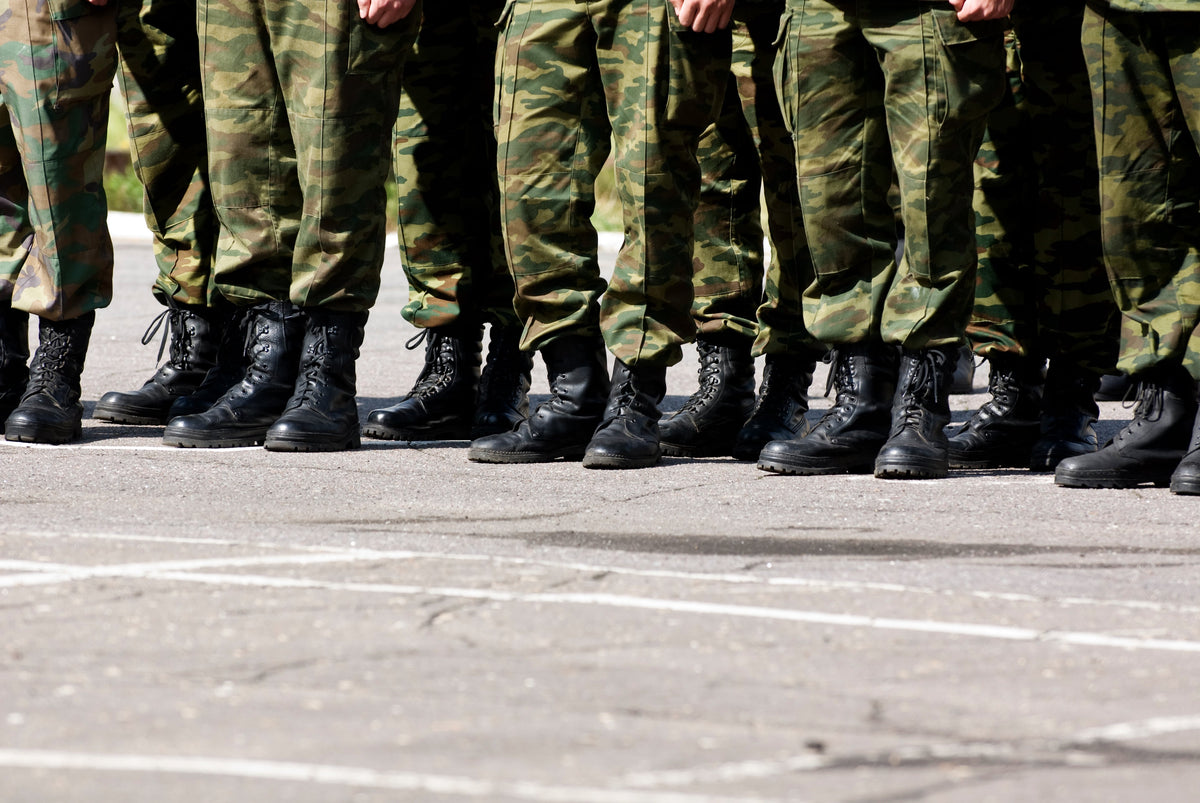
The CAC® (Combat Assistance Campaign) knife from TB Outdoor is an essential reference. It's much more than just a cutting tool. It's the result of close collaboration with the French Army and exceptional knifemaking expertise. Designed for the most demanding terrains, it's now accessible to outdoor and survival enthusiasts. This guide explores this exceptional knife in detail.
What are the key points to remember about the CAC®?
- Military heritage: This has been the official knife of the French Army since 2018.
- Premium materials: It uses high-performance steels (Nitrox®, MOX®) and ultra-resistant handles (PA6 FV, G10).
- Modularity: It comes in several versions (blade, handle, tools) to adapt to all needs.
- Absolute reliability: Each component is designed for maximum robustness and safety of use.
- Made in France: It is entirely designed and manufactured in Thiers, the capital of French cutlery.
Why is the CAC® knife a benchmark for the military and outdoor activities?
What are the different CAC® models?
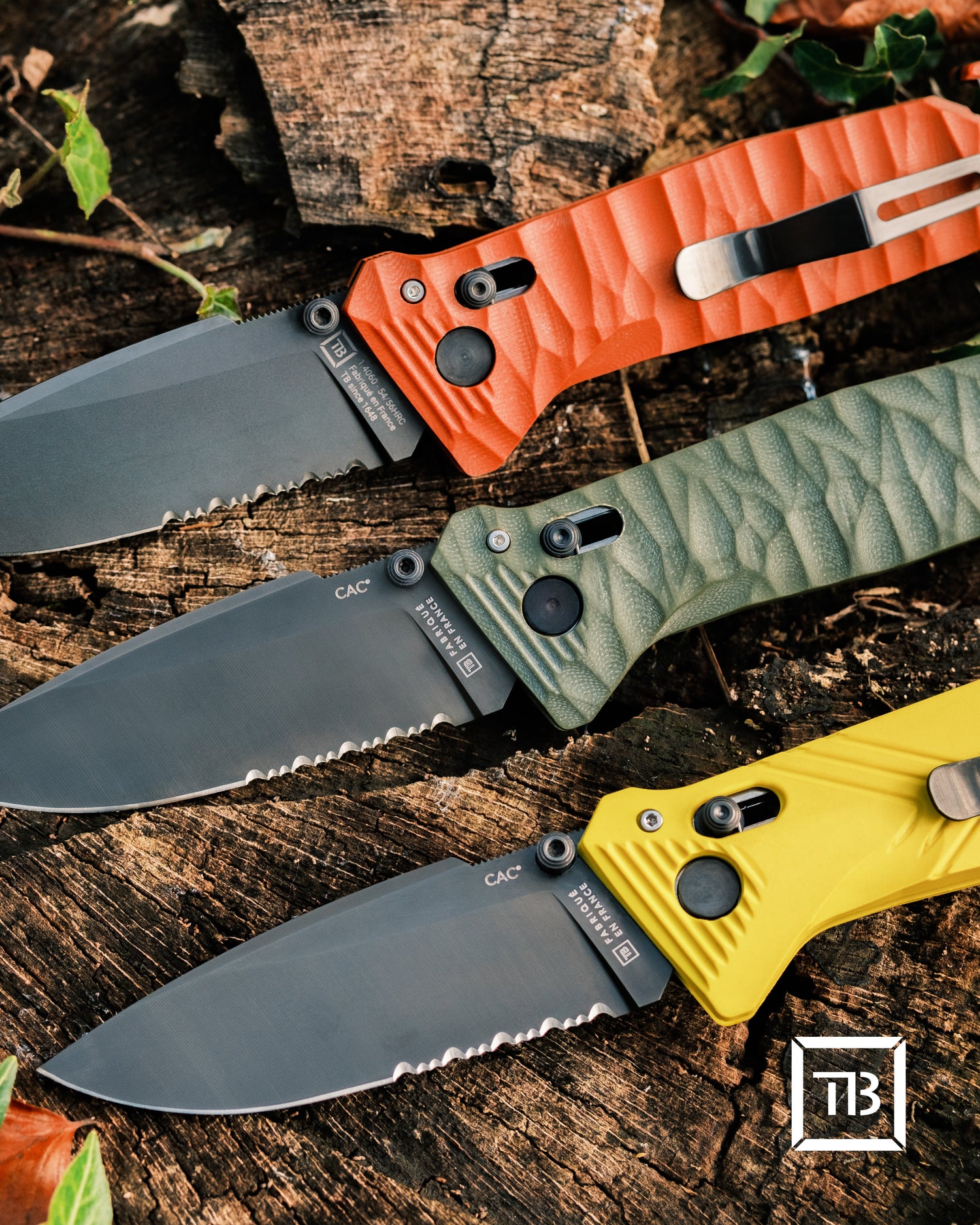
The CAC® range maintains a common foundation of robustness and reliability. Models vary to meet specific needs, from military to demanding civilian use.
What are the main versions?
- CAC® standard: The most versatile model, often equipped with a robust and practical corkscrew.
- CAC® S200: Identical to the basic model, but without the corkscrew for a cleaner profile.
- CAC® Junior: A specific version with a rounded blade tip for added safety, without a corkscrew.
What are the characteristics of the CAC® blades?
The blade is the heart of the knife. The CAC® offers several options to perfectly suit your needs.
What is the purpose of the smooth blade?
This classic configuration is perfect for clean, precise cuts. It's easy to sharpen and ideal for fine woodworking or food preparation.

Why choose a mixed blade with serrations?
The combination blade features a smooth section with a serrated section. These teeth are particularly effective at cutting fibrous materials such as ropes, webbing, or seat belts. This design was optimized based on feedback from the French Army.

What are the benefits of the MOX® steel replacement blade?
This blade is made of MOX®, our proprietary steel. It offers exceptional edge retention and durability. Its high chromium content also ensures excellent corrosion protection. It's the ultimate choice for performance.

What are the different types of CAC® handles?
The CAC® handle is designed to ensure a secure and comfortable grip in all conditions.
What is the difference between the sleeve shapes?
- Herringbone handle: This is the official design of the French Army's CAC®, offering an effective directional grip.
- Textured (toxic) handle: Another internally developed ergonomic design, preferred by some users for its feel in the hand.
What materials are used for the handle?
- PA6 FV: This is a polyamide 6 reinforced with glass fibers. This material is extremely robust, resistant to impacts and deformation. It ensures exceptional reliability.
- G10: A composite of fiberglass and epoxy resin. It is resistant to water, heat, and chemicals. It offers a premium alternative combining design and technical performance.
What are the special editions of the CAC®?
The CAC® is also available in special editions, for collectors or those looking for a unique model.
Which editions are still available?
- CAC® Zebra Blade: A distinctive aesthetic finish on the blade, for a unique style without compromising on performance.
- CAC® Damascus Blade: A prestigious model with a Damascus steel blade, combining cutlery art and modern performance.
- CAC® Blue Edition: A version with a unique blue colouring applied to the blade, available in classic and Junior versions.
Which editions have become collector's items?
- CAC® S100: An older version that did not have the strap cutter.
- CAC® Numbered Damascus Blade: A limited series for discerning collectors.
Which institutions trust the CAC®?
The confidence of the largest French institutions is the best proof of the reliability of the CAC®.
What are the current collaborations?
- CAC® Marine Nationale: A specific version developed under official license for French sailors.
What collaborations have marked its history?
- CAC® National Gendarmerie: An S200 variant intended for the gendarmerie forces.
- CAC® GIGN: A model specially developed for this elite unit.
Why is choosing a CAC® a guarantee of reliability?
The CAC® is much more than just a knife. It's a reliable partner, born from time-honored craftsmanship and forged for modern challenges. Its military heritage and technical features make it the best choice for those who demand excellence. Whether you're a soldier, a bushcraft enthusiast, or simply a lover of high-performance tools, the CAC® is designed to never let you down.