In Japan, charcoal cooking is much more than a way to grill food. It is a precise, demanding technique that shows great respect for the product. Meats, fish, vegetables, and skewers acquire distinct aromas, beautiful caramelization, and even cooking. This expertise now attracts chefs, as well as outdoor and fire cooking enthusiasts, who seek simple methods to achieve truly mastered results.
Precise Cooking that Enhances Food
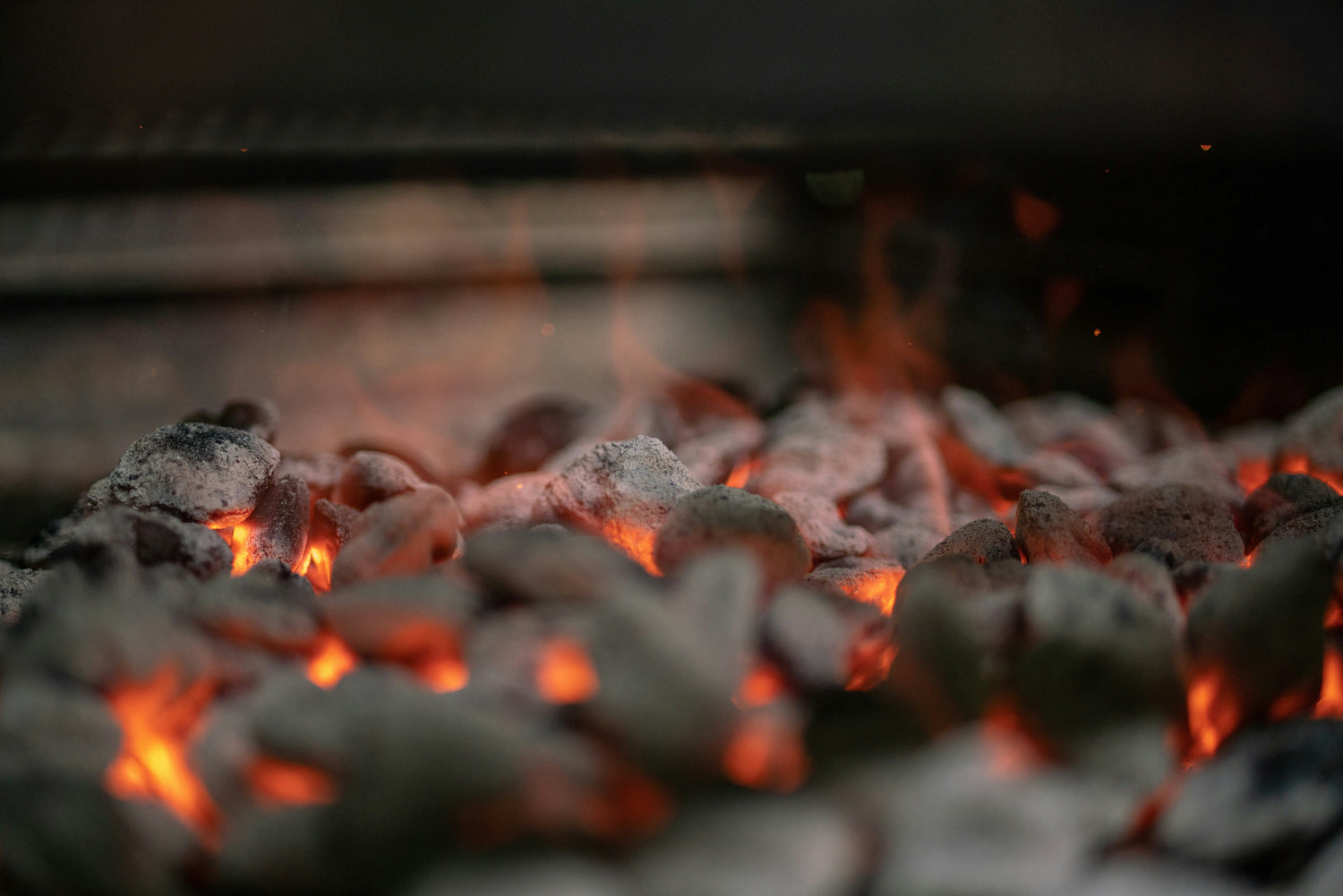
The unique characteristic of Japanese charcoal cooking lies in the quality of the heat. Unlike a conventional barbecue, here the aim is for stable, powerful, and low-smoke embers. The objective is not to burn quickly, but to sear cleanly. This radiant heat allows the exterior to brown without drying out the interior, which is particularly suitable for small pieces, skewers, fish fillets, or vegetables.
To discover more concretely Japanese charcoal cooking, one can look into the solutions offered by Politec. This Alsatian company has been supplying equipment for restaurants and food businesses for over 20 years, with true expertise in embers cooking, smoking, and maturation. Its range of Japanese barbecues clearly shows that this technique is not reserved for traditional use: it also has its place in modern, creative, and precise cuisine.
The great advantage of this method is its ability to respect the original taste of the food. The meat retains its juiciness, the fish remains delicate, and vegetables develop a light grilled note without being masked by excessive smoke. This is also why it is so successful in open kitchens and establishments that prioritize product quality above all else.
Konro, Kamado, Charcoal: The Basics to Know Before Starting
When talking about Japanese charcoal cooking, two pieces of equipment often come up: the Konro and the Kamado. They serve similar purposes, but with different approaches.
The Konro is a compact grill, often rectangular, designed for direct cooking. It is particularly suitable for skewers, small cuts of meat, seafood, or finely sliced vegetables. The Kamado, on the other hand, is distinguished by its ceramic shape and great versatility. It can grill, roast, smoke, braise, or slow cook thanks to its excellent thermal inertia.
To get started well, a few elements truly make a difference:
- choose quality charcoal, with long and even combustion;
- wait for the embers to be fully formed before starting to cook;
- adjust the distance between the food and the heat according to its thickness;
- turn infrequently to maintain beautiful browning;
- clean the grill and empty the ashes after use.
The charcoal used plays an essential role. In the Japanese tradition, highly efficient charcoal is preferred, capable of producing strong heat with little smoke. This truly improves the cooking experience, especially if one wants to work with precision. Better control is achieved, which is valuable for short cooking times, where a few seconds can be enough to transform the result.
Another important point: the simplicity of the gesture. Good charcoal cooking doesn't necessarily require many accessories, but rather attention. Observing the embers, feeling the right moment, slightly moving the pieces, letting the meat rest after cooking: these are often the details that elevate a grilled dish from decent to remarkable.
Why This Method Also Inspires Today's Outdoor Cooking
If this technique is so appealing, it's also because it aligns well with the evolution of outdoor cooking. Today, many enthusiasts want to cook outdoors with more finesse, not just grill quickly. They seek reliable equipment, cleaner cooking, and true quality results. In this spirit, Japanese charcoal cooking offers a more precise, almost artisanal approach, which appeals to both fire enthusiasts and lovers of fine products.
It pairs perfectly with refined outdoor cuisine: whole fish, seasonal vegetables, well-prepared cuts of meat, or carefully assembled skewers. It's a way to return to the essentials, with few ingredients, but great mastery. For enthusiasts of well-designed equipment, this approach also makes sense: a good grill, suitable charcoal, precise tools, and one rediscovers the pleasure of simple but demanding cooking.
In summary, Japanese charcoal cooking is appealing because it combines intensity, regularity, and respect for the product. Whether for professional use or more expert outdoor cooking, it allows for better grilling without complicating the process. For those who want to go further, equipping themselves with a specialist like Politec is a concrete way to approach this tradition with serious equipment and tailored advice.